Sauer-Beckmann Farm Guide: Tips for First-Time Visitors
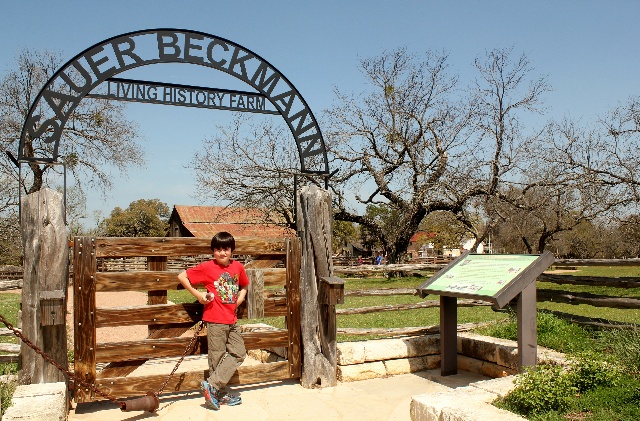
If you’re curious what farm life looked like in Texas more than 100 years ago, visiting Sauer-Beckmann Farm is one of the most memorable stops you can make near Fredericksburg.
This living history farm brings the early 1900s to life in a way that’s fun for both kids and adults. You’ll see chickens roaming freely, smoke drifting from old wood stoves, and volunteers working just like families did back then.
We’ve visited Sauer-Beckmann Living History Farm more than once, and every trip has been a little different—which makes this one of those places worth returning to.
If you’re going to visit Lyndon B. Johnson State Park & Historic Site, adding this farm to your itinerary is an easy win. The farm location is just a few yards from the State Park.
Disclaimer: Two Worlds Treasures contains affiliate links, meaning I receive commissions from purchases made through those links at no cost to you. Read my Privacy Policy for more info.
If you’re planning your trip, don’t miss our guide to the best things to do in Fredericksburg Texas to help you build the perfect itinerary.
Quick Guide to Sauer-Beckmann Farm
Location:
199 Park Road 52, Stonewall, TX
Hours:
8:00 a.m. – 4:30 p.m. year-round
Closed Thanksgiving, Christmas Day, and New Year’s Day
Cost:
Free admission
Time Needed:
Plan about 1 to 1.5 hours
Best For:
- Families with kids
- History lovers
- Road trippers exploring Fredericksburg
- Anyone visiting LBJ State Park
What Is Sauer-Beckmann Farm?
Sauer-Beckmann Farm is a living history farm that recreates what daily life looked like in the early 1900s in the Texas Hill Country.
Instead of just looking at displays behind glass, you’ll see real-life demonstrations. Volunteers dress in period clothing and perform daily chores like:
- Cooking on wood-burning stoves
- Preserving food without refrigeration
- Harvesting crops
- Washing laundry by hand
- Caring for farm animals
It feels less like a museum and more like stepping into someone’s daily routine from long ago.


What We Experienced During Our Visit
Our first stop was the barn, where many of the original farming tools were displayed. It was fascinating to see just how simple—and heavy—those tools were compared to what farmers use today.
Outside, something was cooking inside a wood-burning stove, and chickens wandered freely across the yard. We peeked into the chicken coop and saw fresh eggs sitting in the nests.
Inside the farmhouse, each room showcased furniture and household items used in the early 1900s. Walking through the house felt like visiting relatives from another era.
One of the most interesting stops was the sausage-making area. We learned how families preserved meat before freezers existed. Unfortunately, we arrived too early to taste anything—but it was still fascinating to watch the process.
A Fun Stop for Kids (and Curious Adults)
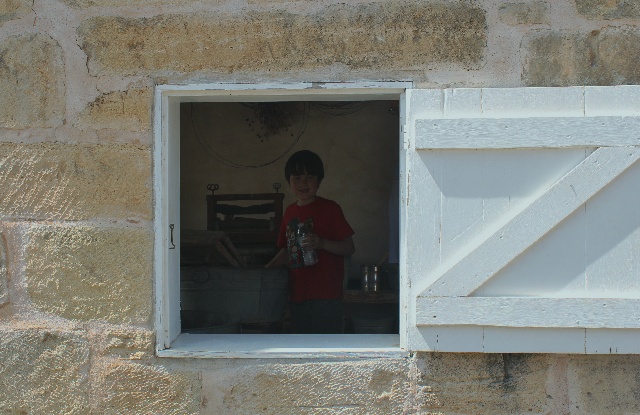
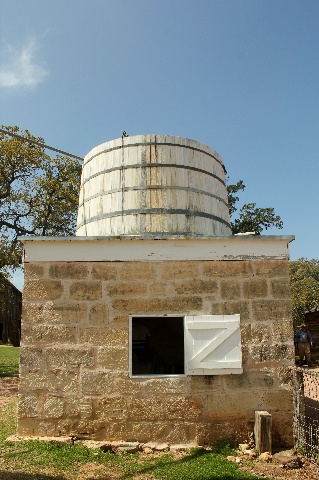
One of the highlights for us was the separate laundry building.
We teased our son about washing clothes using a washboard and an old wringer washer. It sparked a fun conversation about how people in many parts of the world—including Indonesia, where some of our family lives—still wash clothes this way today.
Moments like this make the farm more than just educational—it becomes relatable.
Walking Trails and Wildlife Possibilities
Behind the farmhouse, there’s a trail that leads to pasture areas.
On one visit, we walked the trail hoping to spot American bison, but didn’t see any that day. Wildlife sightings can be hit-or-miss, so it’s best to think of it as a bonus rather than a guarantee.
Still, the short walk adds variety to the visit and gives kids a chance to stretch their legs.
If you want a more challenging hike, hiking Enchanted Rock State Natural Area is a must.
Seasonal Demonstrations Make Every Visit Different
During another visit, we saw volunteers making homemade ice cream using a hand-crank machine.
Sadly, we arrived just as they started—so no samples yet!
We also watched a volunteer harvesting sweet potatoes from the garden. They were huge, and it was fun to see how food moved straight from garden to table.
This is why repeat visits can feel fresh—you never know what demonstration you’ll see.

The History of Sauer-Beckmann Farm
The land that became Sauer-Beckmann Farm has deep roots in Texas history.
Here’s a quick look at its timeline:
- 1869: The Sauer family settled the land
- 1885: Additional buildings were added to support their growing farm
- Early 1900s: The farm expanded into a successful Hill Country homestead
- One of the Sauer daughters, Augusta Sauer Lindig, later served as a midwife during the birth of Lyndon B. Johnson
- 1900: The Beckmann family purchased the property
- 1966: The land was sold to Texas Parks and Wildlife
- 1975: The restored farm opened to the public
Today, it stands as one of the best places to learn about rural life in early Texas.
Tips for Visiting Sauer-Beckmann Farm
These tips will help you make the most of your visit:
Arrive Mid-Morning for Demonstrations
Some activities—like cooking or ice cream making—happen later in the morning. Arriving too early may mean missing them.
Wear Comfortable Shoes
You’ll be walking on dirt paths and uneven surfaces.
Talk to the Volunteers
They are incredibly knowledgeable and happy to answer questions. Kids especially enjoy asking how things worked “back then.”
Bring Water in Summer
Texas heat can be intense, and much of the farm is outdoors.
Stay Flexible
Since admission is free, you can take your time exploring without feeling rushed.

Pair Your Visit With LBJ Ranch
After exploring the farm, drive across the Pedernales River to visit the nearby Lyndon B. Johnson National Historical Park.
This self-guided tour adds even more history to your day.
Things you can see there:
- A one-room school attended by young Lyndon B. Johnson
- His birthplace
- The Johnson family cemetery
- The famous Texas White House
If you’re visiting with kids, stop by the Visitor Center to:
- Get your National Parks Passport stamp
- Join the Junior Ranger Program
Both are big hits with younger travelers.
Is Sauer-Beckmann Farm Worth Visiting?
Yes—especially if you enjoy meaningful stops that feel both educational and hands-on.
Why families love it:
- It’s completely free
- It’s interactive, not just displays
- Kids can see animals and tools up close
- It pairs perfectly with other nearby attractions
Why road trippers love it:
- Easy stop near Fredericksburg
- Doesn’t require a full-day commitment
- Offers a unique look into Texas history
For us, it’s always been a relaxed, enjoyable stop that sparks curiosity and conversation.
Frequently Asked Questions About Sauer-Beckmann Farm
How long does it take to visit Sauer-Beckmann Farm?
Most visitors spend about 1 to 1.5 hours exploring the farm, depending on demonstrations and how much time you spend talking with volunteers.
Is Sauer-Beckmann Farm free to visit?
Yes, admission to Sauer-Beckmann Farm is completely free, making it a budget-friendly stop for families.
Is Sauer-Beckmann Farm good for kids?
Absolutely. Kids enjoy seeing animals, watching demonstrations, and learning how everyday chores were done long before modern conveniences.
What should I bring to Sauer-Beckmann Farm?
Bring:
- Comfortable walking shoes
- Water (especially in summer)
- Sunscreen
- Curiosity—there’s plenty to learn here
Final Thoughts on Visiting Sauer-Beckmann Farm
If you’re planning a trip to Fredericksburg or exploring the Texas Hill Country, Sauer-Beckmann Farm is a simple but rewarding stop.
It’s the kind of place where history feels real—where you can hear the creak of wooden floors, smell food cooking on old stoves, and imagine what daily life looked like more than a century ago.
And best of all, it’s one of those rare stops that both kids and adults walk away remembering.
Sauer-Beckmann Farm is one of the best things to do in Fredericksburg besides wineries.


